Table Of Contents
Consequences of Neglecting Chimney Maintenance
Neglecting chimney maintenance can lead to severe safety hazards. A built-up creosote layer is highly flammable and can ignite, causing chimney fires that threaten the entire structure of a home. Homeowners may also face decreased efficiency in heating systems, leading to increased energy bills and unnecessary wear on appliances.
Another significant concern is the risk of carbon monoxide poisoning. Blockages in the chimney can prevent harmful gases from escaping, putting residents in danger. Regular chimney sweeps are essential for ensuring that the flue remains clear and functional. Taking these precautions can safeguard your home and protect the wellbeing of its occupants.
Increased Risk of Carbon Monoxide Poisoning
Failing to maintain a clean chimney significantly raises the risk of carbon monoxide poisoning. Blockages caused by soot, debris, or nests restrict ventilation in the flue system, causing toxic gases to accumulate indoors. These gases are odorless and colorless, making it difficult to detect until serious health effects arise. The importance of a regular chimney sweep cannot be overstated; it is the first line of defense against such dangerous situations.
Routine chimney sweeps help ensure the safe expulsion of combustion byproducts. When a chimney is properly cleaned, airflow is maximized, reducing the likelihood of harmful gas buildup. Homeowners should prioritize this maintenance task, particularly if they frequently use their fireplace or stove during colder months. Regular inspections and the implementation of proper cleaning schedules can dramatically decrease the risk of carbon monoxide hazards.
Choosing the Right Time of Year for Sweeping
Timing is essential when it comes to chimney sweeping. The best periods for a chimney sweep align with the seasonal changes. Many homeowners opt for cleaning their chimneys in late summer or early fall in preparation for the upcoming heating season. This approach allows for any necessary repairs before the colder months arrive, ensuring that the chimney operates efficiently. Scheduling a chimney sweep during these times also helps avoid the rush many service providers face in late fall.
Spring is another favorable time for a chimney sweep. After a season of regular use, residues such as creosote may have built up, necessitating a thorough inspection and cleaning. Performing maintenance in spring allows homeowners to address any issues while the chimney is not in active use. This proactive approach can extend the lifespan of the chimney and maintain safe operation, ultimately providing peace of mind when it comes to home safety during the colder months.
Seasonal Considerations
Timing is key when scheduling a chimney sweep. Most homeowners find it beneficial to have this task completed in the early fall. This allows for any necessary repairs to take place before the heating season begins. As the weather turns colder and more people light fires to stay warm, ensuring a clean and functional chimney becomes increasingly important.
Spring can also be an ideal time for a chimney sweep. Creosote and soot from winter use often accumulate during heating months, making spring cleaning a strategic move. Additionally, this timing helps prevent any lingering hazards when transitioning to warmer weather, as it prepares the chimney for potential summer use. A clean chimney not only enhances safety but also improves the efficiency of your fireplace or stove.
Tools and Equipment for Chimney Cleaning
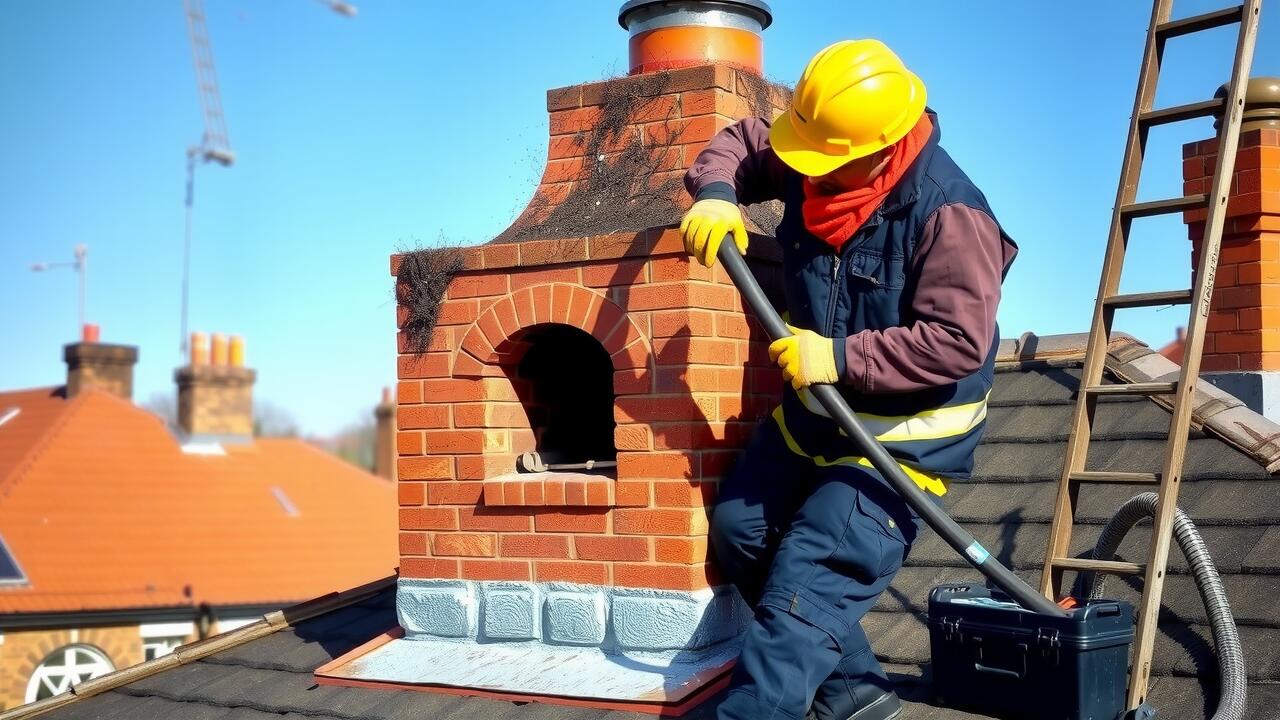
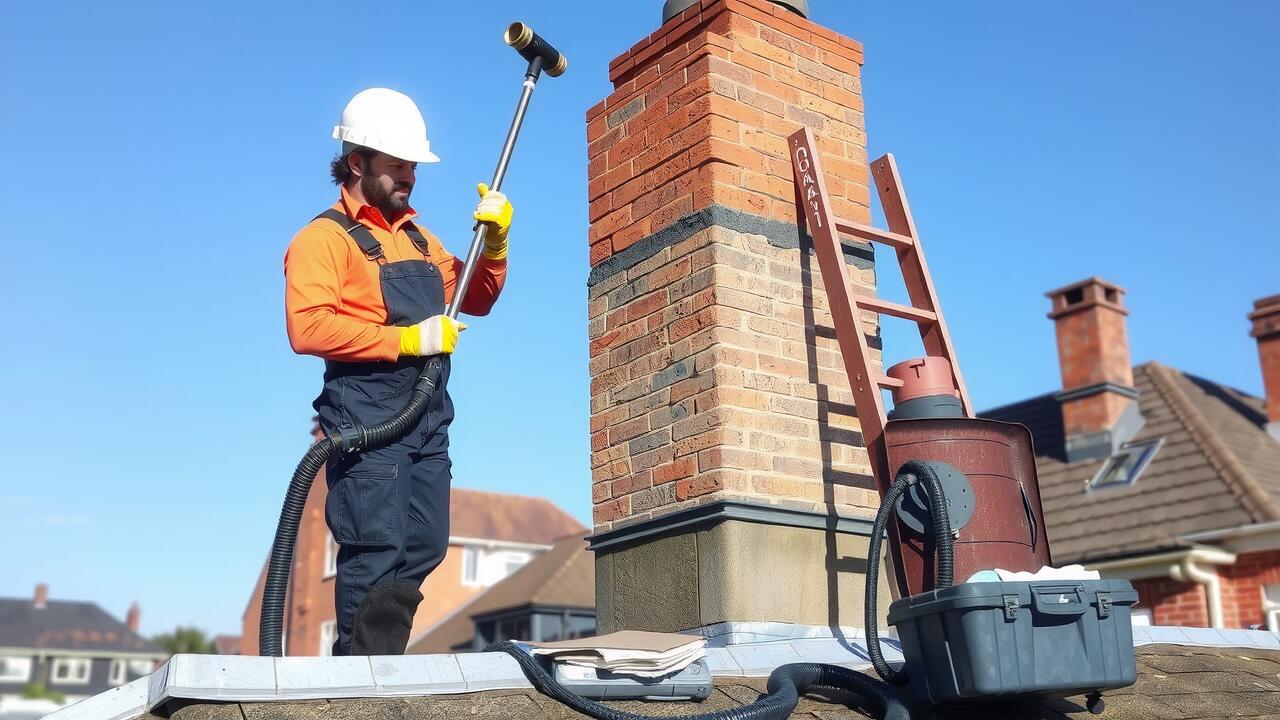
For effective chimney cleaning, having the right tools and equipment is essential. A chimney sweep typically begins with a set of brushes tailored to the type and size of the flue. These brushes can be attached to flexible rods, allowing cleaners to navigate bends and angles easily. A sturdy vacuum designed for soot and debris can help maintain a clean workspace, ensuring that the area remains tidy while the chimney is being swept.
In addition to brushes and vacuums, protective gear is also crucial for a chimney sweep. Safety goggles protect the eyes from dust and soot, while gloves provide grip and prevent skin irritation. A sturdy ladder may be necessary if the chimney is high or located on a steep roof. By equipping oneself with these essential supplies, homeowners can either perform the sweeping themselves or ensure that hired professionals have what they need to do the job thoroughly and safely.
Essential Supplies for DIYers
For do-it-yourselfers looking to tackle chimney cleaning, having the right supplies is essential for both safety and effectiveness. A chimney sweep kit typically includes brushes of various sizes, which help in dislodging soot and creosote buildup. A sturdy extension pole is also necessary to reach higher sections of the chimney. Additionally, protective gear such as gloves, goggles, and a dust mask will help prevent inhalation of debris and keep one safe from flying soot.
Incorporating a vacuum designed for fireplace use can significantly minimize mess during the cleaning process. Chimney rods are beneficial for connecting brushes, allowing for greater reach when cleaning. Many DIYers also find drop cloths helpful for protecting the area surrounding the fireplace. Investing in these essential supplies ensures a thorough chimney sweep, allowing for optimal performance and safety in the home.
FAQS
How often should I have my chimney swept?
It is generally recommended to have your chimney swept at least once a year, especially if you use your fireplace regularly.
What are the signs that my chimney needs to be cleaned?
Signs that your chimney may need cleaning include a strong odor from the fireplace, visible creosote buildup, or a reduced draft when using the chimney.
Can I clean my chimney myself?
While it is possible to clean your chimney yourself, it is advisable to hire a professional to ensure the job is done safely and effectively.
What time of year is best for chimney sweeping?
The best times to sweep your chimney are in the spring and fall, before the heating season begins, to ensure it’s clean and ready for use.
What are the dangers of not sweeping my chimney regularly?
Neglecting to sweep your chimney can lead to dangerous situations, such as creosote buildup that increases the risk of chimney fires and carbon monoxide poisoning.